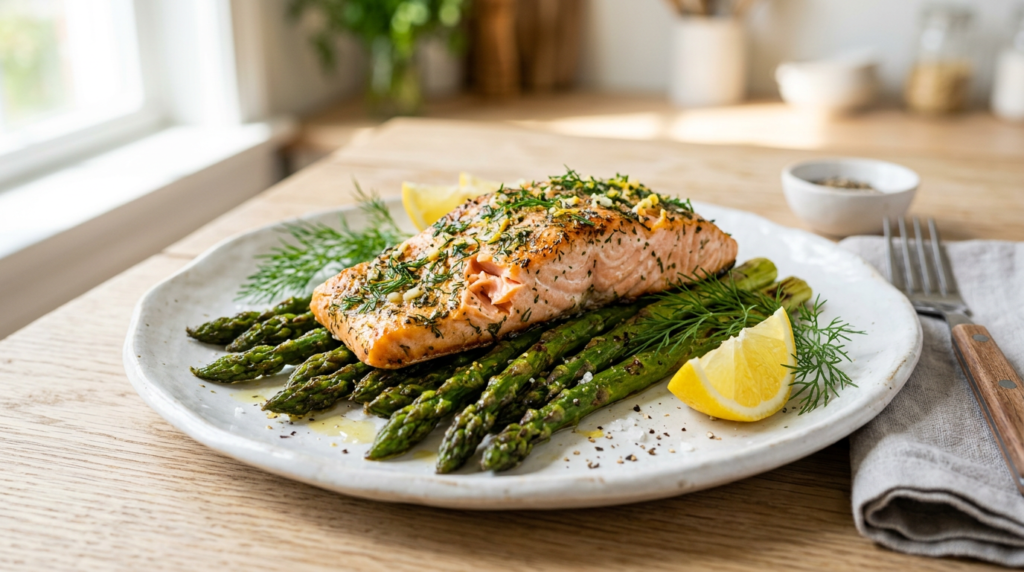
Discover the ultimate weeknight hero: Quick & Healthy Lemon Dill Salmon with Roasted Asparagus. This recipe delivers a vibrant, satisfying meal that’s incredibly simple to prepare, making it a perfect choice for anyone seeking a nutritious dinner without sacrificing flavor or precious time. Imagine tender, flaky salmon infused with bright lemon and aromatic dill, perfectly complemented by crisp-tender roasted asparagus. It’s a symphony of fresh flavors and delightful textures that come together effortlessly on a single sheet pan.
In today’s fast-paced world, finding a meal that is both genuinely healthy and incredibly quick to make can feel like a culinary quest. This Lemon Dill Salmon with Roasted Asparagus solves that dilemma beautifully. It’s packed with lean protein, essential omega-3 fatty acids, and plenty of fiber and vitamins, all while being ready to serve in under 30 minutes. The bright, zesty notes of lemon cut through the richness of the salmon, while fresh dill adds an herbaceous depth that is both comforting and sophisticated. The asparagus roasts alongside, developing a slight sweetness and a perfectly tender-crisp bite. This dish isn’t just food; it’s a promise of a delicious, stress-free dinner that nourishes your body and delights your palate, proving that healthy eating can be both easy and incredibly flavorful.
Recipe Info:
Prep Time: 10 minutes | Cook Time: 15-18 minutes | Total Time: 25-28 minutes | Yield: 4 servings
Ingredients
- 4 (6-ounce) salmon fillets, skin on or off
- 1 pound fresh asparagus, tough ends trimmed
- 2 tablespoons olive oil, divided
- 1 large lemon, half thinly sliced, half juiced (about 2 tablespoons)
- 2 tablespoons fresh dill, finely chopped, plus more for garnish
- 1 teaspoon garlic powder
- ½ teaspoon sea salt
- ¼ teaspoon black pepper
Step-by-Step Instructions
- Preheat Oven & Prepare Baking Sheet: Preheat your oven to 400°F (200°C). Line a large baking sheet with parchment paper for easy cleanup.
- Prepare Asparagus: On one side of the prepared baking sheet, arrange the trimmed asparagus in a single layer. Drizzle with 1 tablespoon of olive oil, ¼ teaspoon of salt, and ⅛ teaspoon of pepper. Toss gently to coat.
- Prepare Salmon: Pat the salmon fillets dry with paper towels. This helps achieve a better sear and prevents steaming. Place the salmon fillets on the other side of the baking sheet, leaving some space between them and the asparagus.
- Season Salmon: Drizzle the remaining 1 tablespoon of olive oil over the salmon fillets. Sprinkle with garlic powder, the remaining ¼ teaspoon of salt, and ⅛ teaspoon of pepper.
- Add Lemon & Dill: Sprinkle the chopped fresh dill evenly over the salmon. Arrange the lemon slices on top of each salmon fillet. Drizzle the fresh lemon juice over both the salmon and asparagus.
- Roast: Transfer the baking sheet to the preheated oven. Roast for 15-18 minutes, or until the salmon is cooked through and flakes easily with a fork, and the asparagus is tender-crisp with slightly browned tips. Cooking time may vary based on salmon thickness.
- Serve: Carefully remove the baking sheet from the oven. Garnish with extra fresh dill, if desired, and serve immediately.
Pro Tips for Success
- Don’t Overcrowd the Pan: Ensure there’s enough space between the salmon fillets and asparagus on the baking sheet. Overcrowding can steam the food instead of roasting it, preventing that lovely crisp texture on the asparagus and a nice finish on the salmon.
- Pat Salmon Dry: Before seasoning, always pat your salmon fillets thoroughly dry with paper towels. This crucial step removes excess moisture from the surface, allowing the salmon to roast beautifully and develop a more appealing texture, rather than steaming in its own juices.
- Monitor Salmon Doneness: Salmon cooks quickly. To avoid dry, overcooked fish, start checking for doneness around the 12-minute mark. The salmon is perfectly cooked when it flakes easily with a fork in the thickest part and has an internal temperature of 145°F (63°C).
- Fresh Dill Makes a Difference: While dried dill can be used in a pinch (use ½ teaspoon dried dill per 2 tablespoons fresh), fresh dill offers a brighter, more vibrant flavor that truly elevates this dish. Add it towards the end of cooking or as a garnish for maximum impact.
Variations & Substitutions
- Spicy Kick: For a touch of heat, sprinkle a pinch of red pepper flakes over the salmon and asparagus before roasting.
- Herb Swaps: Not a fan of dill? Try fresh parsley, chives, or a mix of both. Thyme or rosemary also pair wonderfully with salmon and asparagus.
- Other Vegetables: Feel free to swap asparagus for other quick-roasting vegetables like broccoli florets, green beans, or sliced bell peppers. Adjust cooking time as needed for different vegetables.
- Garlic Boost: Instead of garlic powder, mince 2-3 cloves of fresh garlic and toss with the olive oil before coating the salmon and asparagus for a more pungent garlic flavor.
- Citrus Twist: Experiment with lime juice and zest instead of lemon for a different bright, tangy note.
Serving Suggestions
This Lemon Dill Salmon with Roasted Asparagus is a complete meal on its own, but it also pairs beautifully with a variety of sides. For a heartier dinner, consider serving it alongside a fluffy quinoa pilaf, brown rice, or a light couscous. A simple side salad with a vinaigrette dressing adds extra freshness and crunch. If you’re looking for a low-carb option, cauliflower rice or an extra serving of roasted vegetables are excellent choices. This dish is best enjoyed fresh from the oven, making it an ideal choice for a quick weeknight dinner or a light, elegant lunch.
Storage & Reheating
Fridge Storage: Leftover Lemon Dill Salmon and Roasted Asparagus can be stored in an airtight container in the refrigerator for up to 3-4 days. Separate the salmon from the asparagus if possible, as asparagus can become softer over time.
Freezer Storage: Freezing cooked salmon and asparagus is generally not recommended as it can significantly alter the texture of both ingredients, making the salmon dry and the asparagus mushy upon thawing and reheating. It’s best enjoyed fresh or within a few days from the fridge.
Reheating: To reheat, gently warm the salmon in a preheated oven at 275°F (135°C) for about 10-15 minutes, or until just warmed through, to prevent it from drying out. You can also use a microwave on a lower power setting for short bursts, but be mindful that this can sometimes make the salmon rubbery. Reheat asparagus separately in a pan or oven until warmed through.
Frequently Asked Questions
Can I use frozen salmon fillets?
Yes, you can! Thaw frozen salmon fillets completely in the refrigerator overnight or under cold running water before patting them dry and proceeding with the recipe. Ensure they are fully defrosted for even cooking.
Can I prepare this dish ahead of time?
While it’s best enjoyed fresh, you can prep some components in advance. Chop the dill, trim the asparagus, and slice the lemon. Store them separately in the refrigerator. When ready to cook, simply assemble and roast.
What if I don’t have fresh dill?
If fresh dill isn’t available, you can substitute with ½ teaspoon of dried dill for every 2 tablespoons of fresh dill called for. However, fresh dill provides a much brighter and more aromatic flavor, so it’s highly recommended if possible.
Final Thoughts
This Quick & Healthy Lemon Dill Salmon with Roasted Asparagus is more than just a recipe; it’s a testament to how simple, fresh ingredients can come together to create an extraordinary meal. It’s the perfect solution for those busy evenings when you crave something wholesome, flavorful, and utterly satisfying without spending hours in the kitchen. Give this vibrant dish a try, and let its bright, clean flavors become a new favorite in your healthy cooking repertoire.